
A steel rolling mill is a precision ecosystem where every component must perform flawlessly. Among the most critical elements are tungsten carbide rings, guide rolls, and HSS rollers — the tools that shape red-hot steel into wire rod and TMT bars. The grinding and maintenance of these tools directly determines product quality, dimensional accuracy, and mill productivity.
As the Authorized Channel Partner (EAST) for Van Moppes India, Shriramjee Industries supplies the complete range of grinding wheels and notch tools that keep rolling mills operating at peak performance. This guide covers the four core rolling mill applications we service.
1. Tungsten Carbide Rings Groove Grinding
Tungsten carbide (TC) rings are the workhorses of modern rolling mills. These rings are mounted on rolling stands and contain precisely ground groove profiles through which hot steel passes, gradually taking the desired shape. Maintaining these grooves requires specialized diamond grinding wheels.
The Groove Grinding Process
TC ring groove grinding involves using metal bonded diamond grinding wheels to restore or create the precise groove geometry on tungsten carbide ring surfaces. The process demands:
- Micron-level accuracy in groove depth and width
- Smooth surface finish to prevent steel surface defects
- Consistent profile across multiple ring sets
- Minimal grinding heat to avoid carbide cracking
Van Moppes metal bonded diamond wheels are engineered specifically for this application, offering long wheel life and precise form retention even on the hardest carbide grades.
2. Guide Rolls Profile Grinding
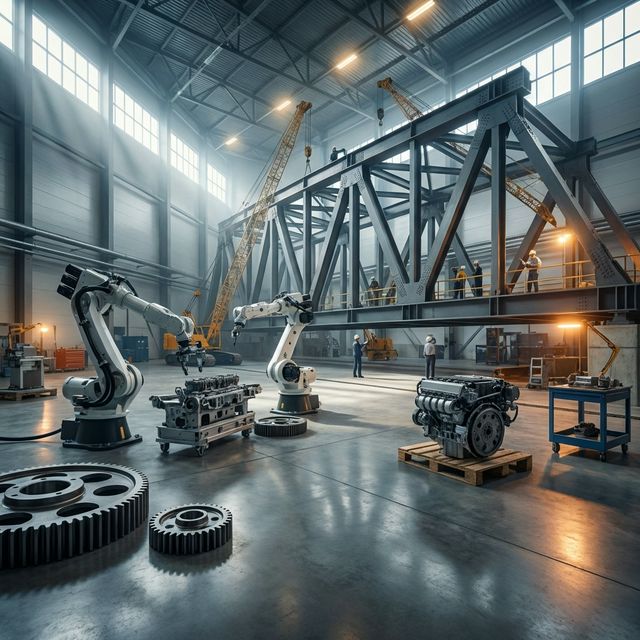
Guide rolls direct the steel billet or bar as it exits each rolling stand, ensuring it enters the next pass at the correct angle and position. Guide roll profile grinding shapes these rolls to exact specifications — any deviation causes bar misalignment, surface defects, and potentially dangerous mill cobbles.
Profile Grinding Requirements
Van Moppes profile grinding wheels produce:
- Oval pass profiles for intermediate rolling stands
- Round pass profiles for finishing passes
- Round with angle pass profiles for complex geometries
These profiles are ground using electroplated and metal bonded diamond wheels that hold tight tolerances over extended production runs.
3. HSS Guide Rollers Grinding
High-Speed Steel (HSS) guide rollers are used in guide assemblies where moderate wear resistance and toughness are required. Unlike tungsten carbide, HSS contains significant iron content — making CBN (Cubic Boron Nitride) grinding wheels the preferred choice.
Why CBN for HSS?
Diamond reacts chemically with iron at the high temperatures generated during grinding, causing rapid diamond degradation. CBN is chemically stable with iron, making it ideal for grinding HSS guide rollers. Van Moppes resin bonded CBN wheels deliver:
- Superior OD finish on HSS rollers
- Cool grinding action preventing thermal damage
- Long wheel life on hardened HSS materials
- Consistent dimensional accuracy
4. TC Rolls Notch Forming
The fourth critical application is TC rolls notching — creating the precise notches on tungsten carbide rolls that form the rib pattern on TMT bars. This process uses PCD notch tools (6MM to 25MM+) that must maintain sharp cutting edges despite continuous contact with hard carbide.
Van Moppes PCD notch tools and spindle assemblies ensure TMT manufacturers can produce bars that meet IS 1786 specifications for concrete bond strength.
The Complete Rolling Mill Tool Solution
Van Moppes Rolling Mill Product Range
| Application | Tool Type | Bond Type |
|---|---|---|
| TC Rings Groove Grinding | Diamond Wheel | Metal Bonded |
| Guide Roll Profile Grinding | Diamond Wheel | Electroplated / Metal |
| HSS Guide Roller OD Grinding | CBN Wheel | Resin Bonded |
| TC Rolls Notch Forming | PCD Notch Tool | Polycrystalline Diamond |
Why Rolling Mill Maintenance Matters
Rolling mills operate continuously under extreme conditions — high temperatures, heavy loads, and abrasive wear. The quality of grinding and notch tools directly affects:
- Product quality: Surface finish, dimensional accuracy, and rib pattern consistency
- Mill productivity: Fewer tool changes mean more production hours
- Operating costs: Longer tool life reduces per-ton tooling cost
- Safety: Properly maintained tools reduce the risk of mill accidents
Partner with Shriramjee for Rolling Mill Tools
Through our partnership with Van Moppes India, Shriramjee Industries provides rolling mills across eastern India with authentic, ISO 9001:2015 certified tools — backed by technical expertise and reliable supply. Our team understands the unique demands of wire rod and TMT bar production and can recommend the optimal tooling for your specific application.
Optimize Your Rolling Mill Performance
Get expert advice on TC ring grinding, guide roll profiling, and notch tools for your mill.
View Steel Industry Products Request Consultation